Planning a Home Extension: What You Need to Know Before Starting
Understanding Planning Permission Requirements
Not all extensions require planning permission, but most need building regulation approval. Single storey rear extensions within certain size limits often fall under permitted development rights. However, properties in conservation areas or listed buildings have stricter requirements. Always check with your local planning authority before starting design work.
Setting a Realistic Budget
Extension costs vary widely based on size, specification, and location. Include contingency funds of at least 10 to 15 percent for unexpected issues. Remember to budget for professional fees including architects, structural engineers, and planning consultants. Factor in costs for temporary accommodation if you need to move out during construction.
Choosing the Right Design
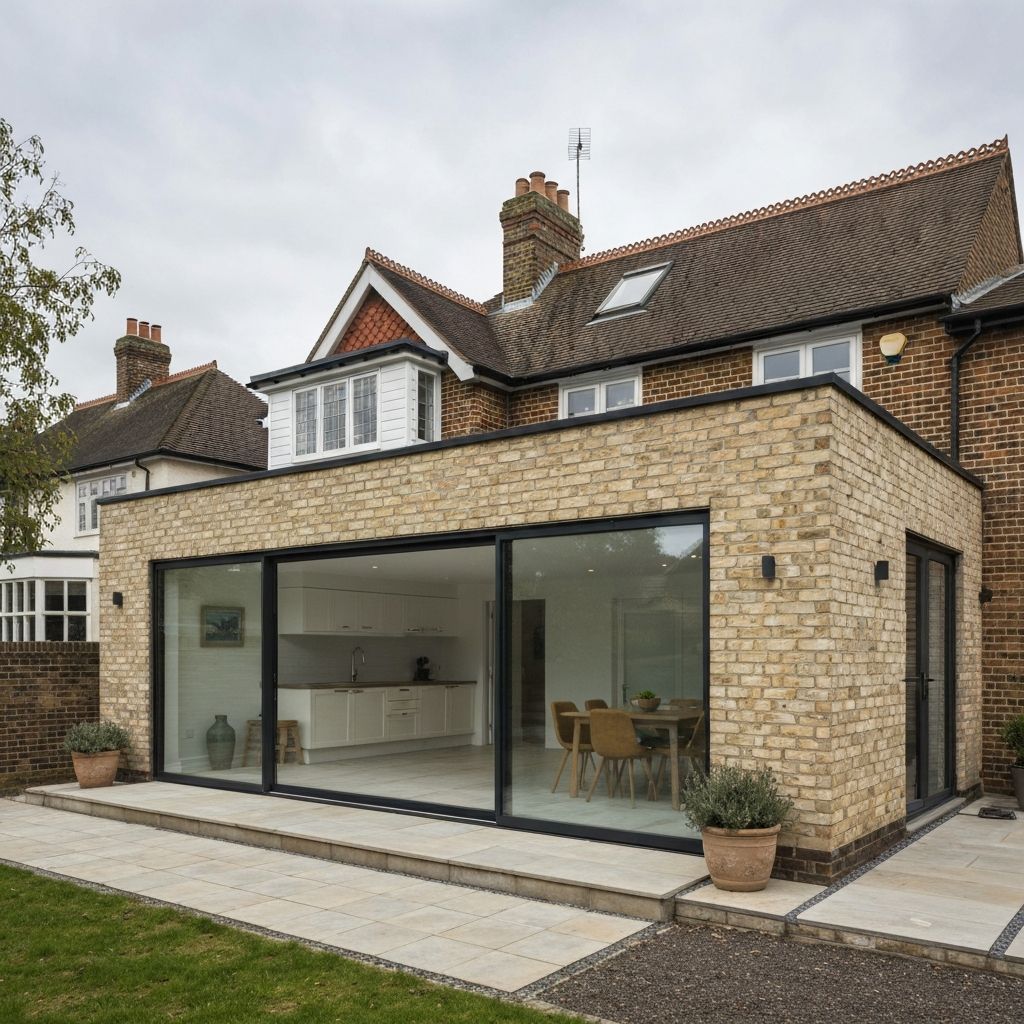
Your extension should complement the existing property, not clash with it. Match materials and architectural style where possible. Consider how the new space connects with existing rooms. Good flow between old and new areas is essential. Think about natural light. Large windows or roof lights prevent extensions from feeling dark and enclosed.
Hiring the Right Team
Choose builders with proven experience in extensions. Check references and visit completed projects if possible. Get detailed written quotes from at least three contractors. The cheapest option is rarely the best. Look for builders who communicate clearly and understand your vision.
Project Timeline Expectations
Planning permission takes eight weeks minimum if required. Building regulation approval adds more time. Most single storey extensions take three to four months to complete once started. Two storey extensions typically need five to six months. Weather delays and material shortages can extend these timelines.
Living Through Construction
Extension work is disruptive. Establish clear working hours with your builder. Create a temporary kitchen if you are extending your existing one. Keep dust contained by sealing doorways with plastic sheeting. Maintain open communication with your builder about any concerns.