How Long Should Your Roof Last? Understanding Roof Lifespan
Expected Lifespan by Material Type
Different roofing materials have vastly different lifespans. Asphalt shingles typically last 15 to 30 years depending on quality, while metal roofing can last 40 to 70 years. Clay and concrete tiles can endure for 50 years or more, and slate roofs can protect your home for over a century when properly maintained.
Factors That Impact Roof Longevity
Climate plays a significant role in how long your roof will last. Heavy rainfall, strong winds, and extreme temperature fluctuations accelerate wear. Proper installation is equally critical. Even the highest quality materials will fail prematurely if not installed correctly. Ventilation also matters. Poor attic ventilation causes heat and moisture buildup that damages roofing materials from underneath.
Warning Signs Your Roof Needs Attention
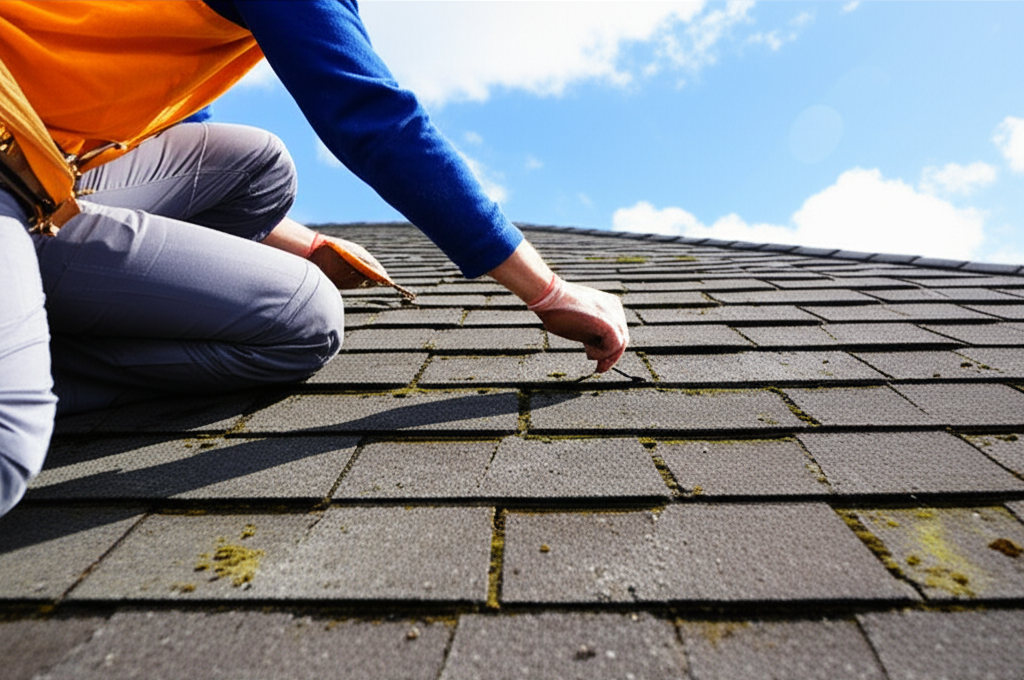
Check for missing, cracked, or curling shingles during visual inspections. Dark streaks or moss growth indicate moisture problems. Inside your home, water stains on ceilings or walls signal active leaks. Granules accumulating in gutters mean shingles are deteriorating. Sagging areas suggest structural issues requiring immediate attention.
Extending Your Roof's Life
Annual inspections catch small problems before they become expensive repairs. Keep gutters clean to prevent water backup. Trim overhanging branches to reduce debris accumulation and prevent damage. Address minor repairs promptly. A small leak today becomes major water damage tomorrow.
When to Repair vs Replace
Isolated damage affecting less than 30 percent of the roof usually warrants repairs. Widespread deterioration, multiple leaks, or roofs approaching the end of their expected lifespan are better candidates for full replacement. Factor in the cost of repeated repairs versus investing in a new roof that provides decades of protection.